How Do You Make American Stocks Great Again?
In the digital age, as everything gradually moves onto the blockchain, the tokenization of U.S. equities is opening a new chapter for global finance — one where Wall Street is no longer bound by the opening bell at 9:30 a.m. New York time. U.S. Stocks: A Global Dream With a total market cap of $52–59 trillion, accounting for more than 40% of global equity market value, the U.S. stock market has long been a symbol of stability, growth, and belief in the American story. A $10,000 investment in the S&P 500 index back in 2002 could have grown to nearly $85,900 by 2025.
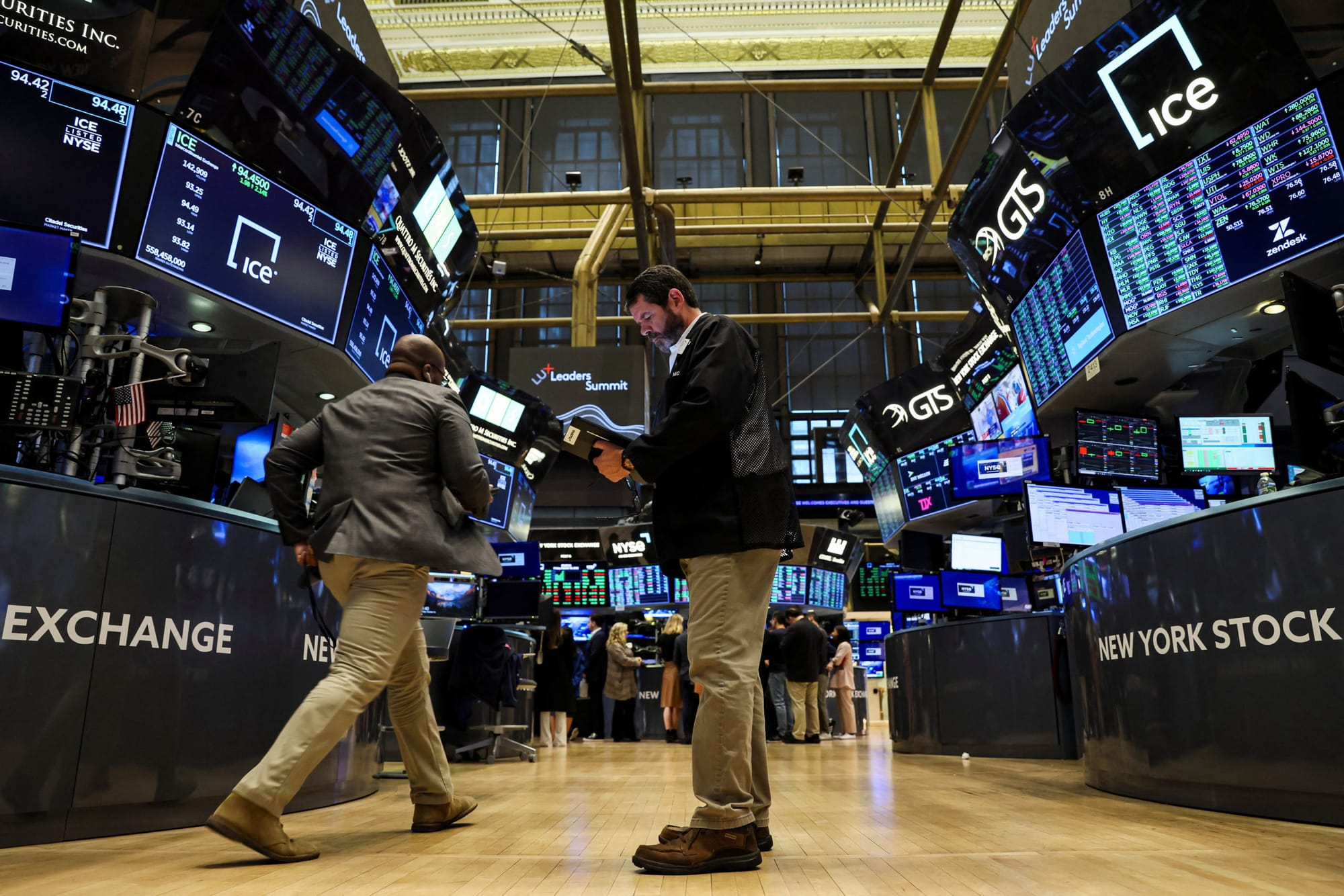
In the digital age, as everything gradually moves onto the blockchain, U.S. equity tokenization is opening a new chapter for global finance — one where Wall Street is no longer bound by the opening bell at 9:30 a.m. New York time.
U.S. Stocks: A Global Dream
With a total market cap of $52–59 trillion, accounting for more than 40% of global equity market value, the U.S. stock market has long been a symbol of stability, growth, and belief in the American story. A $10,000 investment in the S&P 500 index back in 2002 could have grown to nearly $85,900 by 2025.
Yet for the vast majority of the world's population, accessing U.S. markets is anything but simple. Complex brokerage accounts, regulatory barriers, and trading hour restrictions have become invisible walls keeping millions on the sidelines.
Tokenization — Wall Street No Longer Needs a Bell
U.S. equity tokenization is the process of bringing traditional stocks onto the blockchain as programmable digital assets that can be traded 24/7, owned fractionally, and accessed regardless of geography. A single share can be split into thousands of pieces — anyone can invest with just a few dollars and a smartphone.
These tokens typically follow the ERC-20 standard or equivalent, ensuring transparency and security. Unlike earlier speculative products such as sTSLA or sAAPL, today's projects — including Backed Finance, Ondo, Securitize, and Robinhood — operate on a 1:1 real-equity-to-token model, with custodial certification and regulatory compliance oversight.
Who's Leading This Wave?
- Ondo Finance is accelerating rapidly with plans to issue equity tokens following its acquisitions of Oasis Pro and Strangelove, while partnering with Pantera Capital to deploy $250 million into this space.
- Robinhood became the first U.S. brokerage to issue equity tokens, covering more than 200 tickers including OpenAI and SpaceX. Despite fierce pushback from the very companies being tokenized, CEO Vlad Tenev held firm: "Tokenization is how ordinary people get access to the best assets — without needing to be chosen."
- Backed Finance, in partnership with Kraken, is bringing more than 50 equity tickers onto the blockchain — from Apple and Tesla to major ETFs.
- Figma, in its latest IPO filing, even paved the way for issuing "blockchain shares" as a recognized asset class.
Big Opportunity — But Real Challenges
According to data from rwa.xyz, by mid-2025, total value locked (TVL) in tokenized equity products had reached $530 million, with more than 70,000 active wallets per month.
Still, the market faces significant challenges:
- Wild price swings: AAPLX once traded 12% above the price of actual Apple shares, while AMZNX was pushed to 100x market price from a single errant trade.
- Legal conflicts: OpenAI and SpaceX publicly stated they do not recognize the tokens Robinhood issued in their names, prompting scrutiny from the SEC and the European Central Bank.
- Thin liquidity: Equity tokens remain highly susceptible to manipulation due to low trading volumes.
- Regulatory and compliance hurdles: While the SEC is showing early signs of openness, KYC requirements, custody standards, and disclosure obligations remain major barriers preventing many projects from scaling globally.
The Future of Finance Has No Borders
Tokenizing U.S. equities is more than a tech trend. It's an effort to democratize financial markets and expand investment access to everyone, everywhere.
When you no longer need a brokerage account — when a few dollars can get you a slice of Apple or Tesla, when markets run 24/7 without interruption — that's not just innovation. That's "global capital liberation."
The question is no longer whether it will happen. It's when it becomes the norm.